

Located inside the St. Luke’s building near the local urgent care facility.
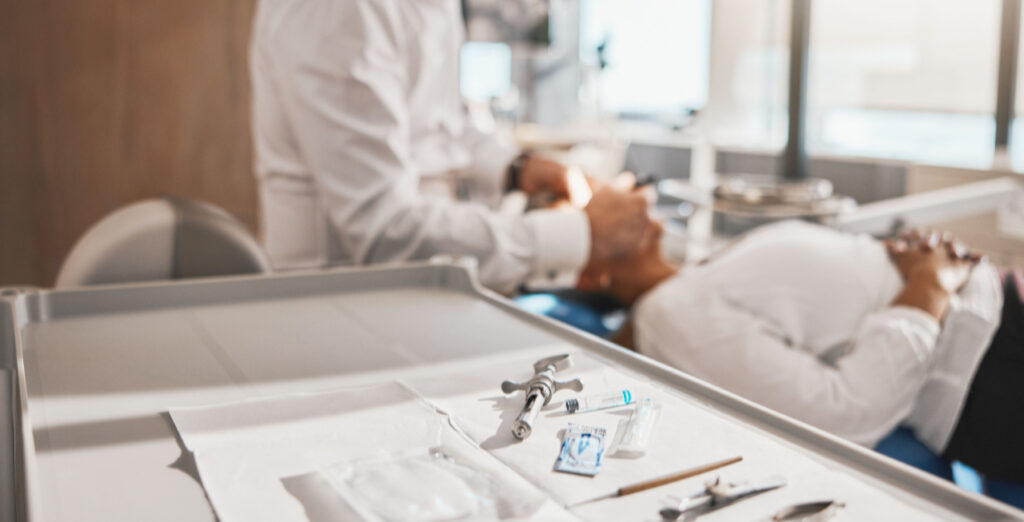
Bite down gently but firmly on the gauze packs that have been placed over the surgical areas, making sure they remain in place. Do not change them for the first hour unless the bleeding is not controlled. The packs may be gently removed after one hour. If active bleeding persists, place enough new gauze to obtain pressure over the surgical site for another 30 minutes. The gauze may then be changed as necessary (typically every 30 to 45 minutes).
It is best to moisten the gauze with tap water and loosely fluff for more comfortable positioning.
Do not disturb the surgical area today. Do NOT rinse vigorously or probe the area with any objects. You may brush your teeth gently. PLEASE DO NOT SMOKE for at least 48 hours, since this is very detrimental to healing and may cause a dry socket.
Unfortunately most oral surgery is accompanied by some degree of discomfort. You will usually have a prescription for pain medication. If you take the first pill before the anesthetic has worn off, you should be able to manage any discomfort better. Some patients find that stronger pain medicine causes nausea, but if you precede each pain pill with a small amount of food, it will reduce the chance that nausea will occur. The effects of pain medications vary widely among individuals.
If you do not achieve adequate relief at first, you may supplement each pain pill with an analgesic such as aspirin or ibuprofen. Some patients may even require two of the pain pills at one time. Remember that the most severe pain is usually within six hours after the local anesthetic wears off; after that your need for medicine should lessen. If you find you are taking large amounts of pain medicine at frequent intervals, please call our office.
Eat any nourishing food that can be eaten with comfort. Avoid extremely hot foods. Do not use a straw for the first few days after surgery. It is sometimes advisable, but not absolutely required, to confine the first day’s intake to liquids or pureed foods (soups, puddings, yogurt, milk shakes, etc.). It is best to avoid foods like nuts, sunflower seeds, popcorn, etc., which may get lodged in the socket areas. Over the next several days you may gradually progress to solid foods.
It is important not to skip meals! If you take nourishment regularly you will feel better, gain strength, have less discomfort and heal faster. If you are a diabetic, maintain your normal eating habits or follow instructions given by your doctor.
You may apply warm compresses to the skin over the areas of swelling (hot water bottle, hot moist towels, heating pad) for 20 minutes on and 20 minutes off to help soothe tender areas. This will also help decrease swelling and stiffness.
DO NOT USE HEAT UNTIL THE SECOND DAY. USE ICE FOR THE FIRST DAY TO HELP DECREASE SWELLING.
Normal healing after tooth extraction should be as follows: The first two days after surgery are generally the most uncomfortable and there is usually some swelling. On the third day you should be more comfortable and, although still swollen, can usually begin a more substantial diet. The remainder of the post-operative course should be gradual, steady improvement. If you don’t see continued improvement, please call our office.
It is our desire that your recovery be as smooth and pleasant as possible.
Following these instructions will assist you, but if you have questions about your progress, please call the office where you had surgery. A 24-hour answering service is available to contact the doctor on call after hours. Calling during office hours will afford a faster response to your question or concern.
After a few days you should feel fine and can resume your normal activities. If you have heavy bleeding, severe pain, continued swelling for 2-3 days, or a reaction to the medication, call our office immediately at 636-978-6967.